We Uses Cookies
This website uses cookies to enhance
your browsing experience.
Contact US
We Uses Cookies
This website uses cookies to enhance
your browsing experience.
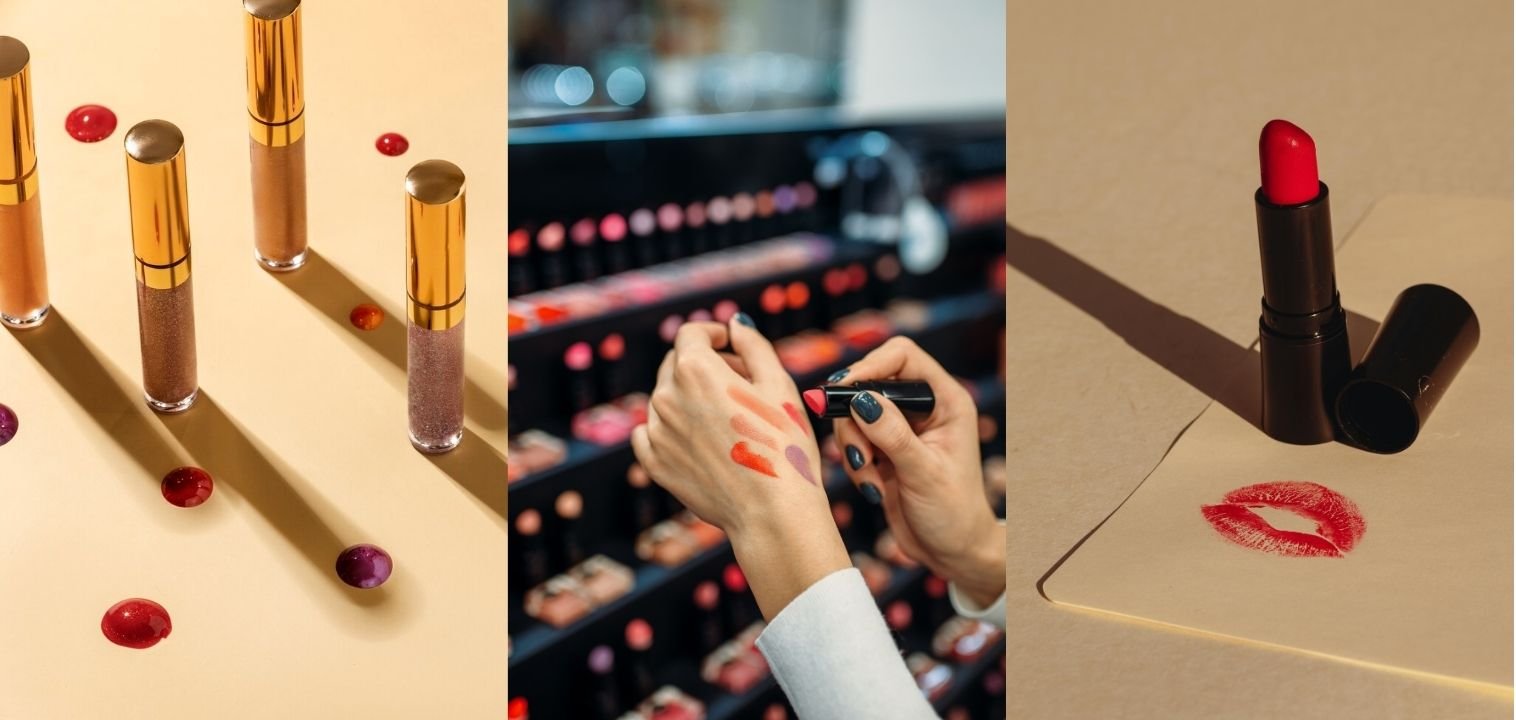
You probably have a favourite lipstick. Maybe you've also wondered why one bullet glides on smoothly while another drags, bleeds or fades in two hours. That curiosity is where most people searching for the best lipstick making course in Delhi begin.
Some are makeup lovers who want to understand what's inside the tube. Some are homemakers or working professionals looking for a practical skill. Others are makeup artists or small business owners who want their own colour cosmetics line. And plenty are tired of ten-minute videos that skip the important parts.
This guide is for all of them. It explains what a good lipstick making course covers, how to compare institutes, and where Craft Tree Academy fits in. It also says clearly what a course can and cannot do for you. The best course depends mostly on your goal, and we'll get to that.
Details below come from the academy's own course pages. Fees and schedules can change, so confirm them before you enrol.
| Lipstick Making Course | Color Cosmetics Making Course | |
| Duration | 1 day | 15 days, full-time |
| Listed fee | Call to enquire about the latest ongoing discounts | Call to enquire about the latest ongoing discounts |
| What you make | Lipstick in glossy, sheen, matte and long-lasting finishes | Lipstick plus lip gloss and balm, kajal, eyeliner, foundation, lip and cheek tint and more |
| Education required | None | None |
| Minimum batch size | 1 person | 1 person |
| Format | Check with the academy | Online and offline |
| Best for | A focused introduction to lipstick | Anyone who wants a wider colour cosmetics skill set |
Where: Block AA-256, 1st Floor, near Fortis Hospital, Shalimar Bagh, Delhi 110088.
Details: Lipstick Making Course · Color Cosmetics Making Course · Enquire
A lipstick making course is a training program that teaches you how lipstick is formulated and made: what goes into it, why it behaves the way it does, and how to produce it in a controlled, repeatable way.
In simple terms, you learn to combine four things:
A good course also covers shade development, texture, basic cosmetic safety, the manufacturing process and packaging. It isn't only about making a pretty colour. It's about making a product that applies well, lasts, stays stable in the tube and is safe to wear.
Think of it like baking. Anyone can follow a recipe once. Understanding why a recipe works lets you fix it when it fails. That understanding is what separates a good course from a random tutorial.
Here is what a practical, well-designed course should cover.
Not every ingredient is suitable for use on the lips. A good course teaches you how to identify ingredients intended for cosmetic use, check their suitability for lip products and understand why choosing the right supplier matters.
This is the backbone of any lipstick. Waxes such as beeswax, candelilla, and carnauba each behave differently. One adds hardness, another adds gloss, another affects how well the stick holds its shape in warm weather. That matters in Delhi summers, when a lipstick that sags in a handbag is a failed product.
Oils and butters, such as castor oil and shea butter, control glide, comfort and shine. You learn how changing the balance changes the result: more wax gives a firmer stick, and more oil gives a softer, glossier one.
Colour is where beginners get excited and also where they make the most mistakes. Cosmetic colours are not the same as food colours, even though both may be described casually as "safe". Craft Tree Academy's course outline lists the difference between cosmetic and food colours as a theory topic, which is a good sign.
You learn how pigments are dispersed so the colour is even and not speckled, and why some shades behave differently from others. In India, colours used in cosmetics are expected to come from permitted lists. The Bureau of Indian Standards (BIS) publishes standards on cosmetic colourants, so knowing what is approved matters.
Once you understand your pigments, you start building shades. Mixing a nude, a coral and a deep berry involves different thinking. A shade also looks different in the tube, on the swatch and on actual lips. Good training has you make, test and adjust, not just follow a fixed shade card.
Finish is what the customer feels and sees. Matte, cream, satin and glossy finishes come from different formulation choices. You learn why a matte can feel dry, why a glossy one may feel sticky and how to balance wear time with comfort.
Many lipsticks carry a light scent or taste. You learn why fragrance must be skin-safe, why strong scents can irritate lips and why less is usually better. The academy's course outline lists an introduction to skin-safe fragrances and the difference between essence, perfume and essential oil, a point many beginners confuse.
This is the thinking part. You learn how ingredients interact, why order and temperature matter and how to adjust one variable at a time. It's also where you learn to keep notes. Without records, you can never recreate a shade you loved.
At a basic level, the process involves melting the base, dispersing the colour, pouring into moulds, cooling and finishing. In a training setting you learn the handling, the tools and the hygiene habits that make small batches consistent. This is learning-scale practice. Commercial manufacturing is a separate step with its own rules, which we cover below.
A great formula in poor packaging disappoints customers. You look at tube types, how well they fit your product, labelling basics and how presentation shapes perceived value.
This covers cleanliness, correct storage, shelf-life awareness and a sensible approach to checking your product before it reaches anyone else. The Color Cosmetics course page mentions stability testing, safety guidelines and industry best practices among its topics. Treat that as a good reason to ask detailed questions when you enquire.

A lipstick making course usually covers several formats, since each one teaches a different lesson.
The academy's lipstick page lists four finishes: glossy, sheen, matte, and long-lasting. Its Color Cosmetics page covers related products, including lip gloss and balm, liquid lipstick, kajal and lip and cheek tint.
Free videos are great for inspiration. They're weaker at teaching why something works, and weaker still at fixing your specific batch when it goes wrong.
Structured training helps in several ways:
Almost anyone with genuine interest.
On its Color Cosmetics and Lipstick course pages, Craft Tree Academy lists "none" under education required and describes the programme as suitable for beginners, beauty enthusiasts and entrepreneurs. It also lists a minimum batch size of one person, which suggests individual enrolment is possible.
It can be a useful first step. It isn't a business by itself.
A good course helps you understand product development, how to work in small batches, what packaging suits your product and how to think about your customer. It can also give you a head start on branding, positioning, online selling and social media marketing.
What it can't do is replace business effort. Selling cosmetics means competing with established brands, building trust, handling customer feedback and keeping quality steady. Some students will turn their learning into a brand, and others will use it for personal use, freelance work or product understanding. Nobody can honestly promise income, and you should be wary of any institute that does.
If you do want to build something, here is a realistic roadmap.
One important distinction: learning formulation at a training level is not the same as commercial manufacturing. Class batches teach skills. Selling to the public brings legal, safety and quality obligations that go well beyond a course. This article deliberately doesn't give DIY formulas for that reason.
The best lipstick making course for you is the one that matches your goal and stands up to a few honest questions. Use this checklist when comparing institutes.
A red flag worth remembering: be cautious about any course that promises guaranteed income, guaranteed jobs or a finished brand in a weekend.
Craft Tree Academy is a Delhi-based training institute offering product-making courses across skin care, soap, candles, chocolate, perfume and colour cosmetics. Based on the information on its official website, here is what stands out for anyone considering lipstick training.
If you're also curious about related skills, the Skin Care and Cosmetics Making Course is a natural companion.
Self-learning isn't wrong. It's just different. Here's a fair comparison.
| Factor | Professional Course | Self-Learning |
| Structured learning | Planned order from basics to advanced | You design your own path; easy to skip key topics |
| Practical guidance | Trainer watches and corrects you | You rely on trial and error |
| Ingredient knowledge | Exposure to cosmetic-grade materials and why they're chosen | Depends on what you find; quality can be uncertain |
| Troubleshooting | Problems can be diagnosed with an expert | You search forums and guess |
| Formulation understanding | Concepts explained alongside practice | Often recipe-based without the reasoning |
| Business guidance | May include costing, packaging and start-up pointers | You research it all yourself |
| Feedback | Direct, personal and timely | Mostly none, or from strangers online |
| Cost and flexibility | Fees and a fixed schedule | Cheaper and flexible, but slower and riskier |
If you only want a fun hobby, self-learning may be enough. If you care about quality, safety or building something to sell, guided training usually saves time and avoids expensive mistakes.
Be realistic here. A course gives you skills, not a job offer. Possible directions include:
Actual outcomes depend on your skill, practice, business execution and any qualifications an employer or regulator requires. Serious cosmetic formulator roles in industry often expect formal science education. A short course is a starting point, not a substitute.
Fees vary widely, and these factors usually explain why:
It depends on how deep you want to go. A short workshop can introduce you to the process and let you make a few products. Understanding formulation properly, and developing your own shades with confidence, takes repeated practice well beyond the class.
Craft Tree Academy's standalone lipstick course is listed as one day, and its Color Cosmetics Making Course as a 15-day full-time programme. Either way, no course turns you into an experienced cosmetic formulator overnight. Treat the class as the start of your practice.
The best lipstick making course is one with hands-on practice, clear teaching on ingredients and formulation, experienced trainers and honest business guidance. It should match your goal, whether that's a hobby, makeup artistry or a brand. Compare curricula, ask what's included and avoid courses that promise guaranteed income.
Yes. Craft Tree Academy in Shalimar Bagh, Delhi offers a Lipstick Making Course and a broader Color Cosmetics Making Course. Other institutes also offer cosmetic training, so compare syllabus, practical content, trainer background and fees before enrolling.
Yes. Most beginner courses start from basics. Craft Tree Academy's course pages list no required education and describe the programme as suitable for beginners, beauty enthusiasts and entrepreneurs.
No, not for introductory training. A good trainer explains ingredients and their roles in simple terms. A science background helps if you later want advanced formulation or industry roles, but it isn't needed to begin.
You learn about waxes, oils, pigments, shade mixing, finishes, fragrance, basic formulation logic, manufacturing steps, packaging and safety basics. Better courses add troubleshooting and guidance on turning a skill into a small business.
A course can give you the starting skills, but selling cosmetics also needs legal compliance, quality checks, packaging, branding and marketing. Treat training as the first step, and check current licensing and labelling requirements with CDSCO before selling.
It varies. Craft Tree Academy's standalone lipstick course is listed as one day, and its Color Cosmetics Making Course as 15 days, full-time. Confirm current durations with the academy, and expect real skill to need practice afterwards.
Yes. Craft Tree Academy's Color Cosmetics Making Course covers lipstick along with products such as foundation, kajal, lip balm and lip and cheek tint, per its course page. Ask for the current product list before enrolling.
Craft Tree Academy states that its Color Cosmetics course is offered online and offline. Online learning can help with theory, but hands-on skills benefit from practice, so ask how practical work is handled in the online format.
Check the syllabus, hands-on time, trainer experience, materials used, batch size, certificate details, business guidance and post-course support. Read independent reviews and ask to speak with past students. Compare total value, not just price.
Choosing the best lipstick making course is about more than comparing fees or course duration. Look for practical training, a clear understanding of ingredients, formulation basics and guidance on product quality and safety.
If you want to learn lipstick making as a hobby, a short workshop may be enough. If your goal is to develop your own products or explore a colour cosmetics business, choose training that gives you a strong foundation and plenty of practice.
Craft Tree Academy offers a standalone Lipstick Making Course and a broader Color Cosmetics Making Course. Compare the syllabus, practical sessions, fees and course format to decide which suits your goals.
Ready to enquire? Contact Craft Tree Academy to confirm the latest fees, batch dates, syllabus and practical training details. Visit the academy website or the Shalimar Bagh centre.
Our Academy is driven by a strong team of professionals and provide training required for a successful venture.

Block AA- 256-1st floor, near Fortis hospital Shalimar Bagh Delhi -110088

© 2019 Craft Tree Academy All Rights Reserve Designed & Powered By Website99